Buy my-chess.eu ?
We are moving the project
my-chess.eu .
Are you interested in purchasing the domain
my-chess.eu ?
domain@kv-gmbh.de · 0541-91531010
Buy my-chess.eu ?
How are the chess pieces arranged on the carpet?
The chess pieces are arranged on the carpet in a specific pattern that mimics the starting position of a chess game. The pieces are placed on alternating squares of black and white to represent the chessboard. The pieces are typically set up with the pawns in the front row and the more powerful pieces like the rooks, knights, bishops, queen, and king behind them. This arrangement allows for a balanced and strategic setup for a game of chess. **
'How can I cut carpet into small pieces?'
To cut carpet into small pieces, you can use a utility knife with a sharp blade. First, measure and mark the desired size of the pieces on the carpet. Then, use the utility knife to carefully cut along the marked lines, applying firm and even pressure to ensure a clean cut. It's important to work on a flat and stable surface to avoid any accidents. Additionally, wearing gloves can help protect your hands during the cutting process. **
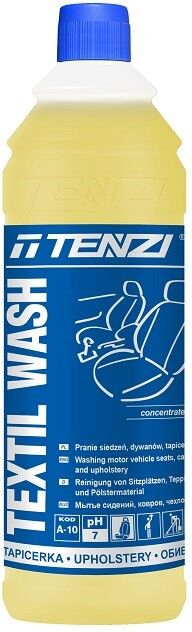
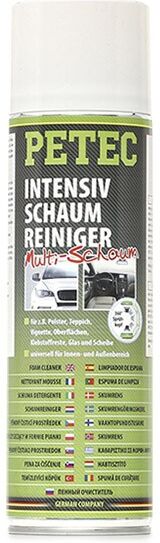
Similar search terms for TENZI-A10001-Textile-Carpet
Top-Angebote
Products related to TENZI-A10001-Textile-Carpet:


-
What is retail textile?
Retail textile refers to the sale of fabrics, clothing, and other textile products directly to consumers through physical stores or online platforms. This sector includes a wide range of products such as apparel, home textiles, and accessories. Retail textile businesses often source their products from manufacturers and wholesalers, and then sell them to individual customers for personal use. The retail textile industry plays a significant role in the global economy and offers a diverse array of products to meet consumer needs and preferences. **
-
Are these textile beetles?
Without a specific image or description of the beetles in question, it is difficult to determine if they are textile beetles. Textile beetles, such as the varied carpet beetle and the black carpet beetle, are known for infesting and damaging textiles, carpets, and other natural fibers. If you suspect that you have textile beetles, it is best to consult with a pest control professional for proper identification and treatment. **
-
What is a textile?
A textile is a flexible material made by weaving, knitting, crocheting, or felting natural or synthetic fibers. Textiles are used to create a wide range of products, including clothing, household items such as towels and bedding, and industrial products such as filters and reinforcements for composite materials. Textiles can be made from a variety of materials, including cotton, wool, silk, polyester, and nylon. **
-
'Leather suit or textile?'
The choice between a leather suit and a textile suit depends on the rider's preferences and riding style. Leather suits are known for their durability, abrasion resistance, and classic look, making them popular among sport and track riders. On the other hand, textile suits are often more versatile, offering waterproof and breathable features, making them suitable for various weather conditions and longer rides. Ultimately, the decision between a leather suit and a textile suit comes down to personal preference, riding environment, and budget. **

Is textile dye toxic?
Some textile dyes can be toxic, as they may contain harmful chemicals such as heavy metals, formaldehyde, and azo compounds. These toxic chemicals can have negative effects on human health and the environment, especially if they are not properly managed during the dyeing process and disposal. However, there are also eco-friendly and non-toxic textile dyes available that use natural and sustainable ingredients, making them a safer option for both consumers and the environment. It is important for consumers to be aware of the potential toxicity of textile dyes and to choose products that are certified as non-toxic and environmentally friendly. **
How do I find textile manufacturers or textile production facilities to start my fashion label?
To find textile manufacturers or production facilities for your fashion label, you can start by attending trade shows and industry events where you can network with potential suppliers. You can also use online platforms and directories specifically designed for connecting fashion designers with textile manufacturers. Additionally, reaching out to other fashion designers or industry professionals for recommendations and referrals can be a valuable way to find reliable and high-quality textile manufacturers. Finally, consider visiting textile production hubs or regions known for their manufacturing capabilities to personally meet with potential partners and assess their facilities. **
Top-Angebote
Products related to TENZI-A10001-Textile-Carpet:
-
PETEC 72850 Textile / Carpet CleanerContainer Type: aerosol; Capacity [ml]: 500; Quantity Unit: Millilitre; Colour: white-transparent; Chemical Properties: Food-Safe, Silicon-free; Observe technical data: ; Observe assembly information: ; Liquid:5,59 £*Shipping: 8,45 £Secure redirect to the provider
-
How are the chess pieces arranged on the carpet?
The chess pieces are arranged on the carpet in a specific pattern that mimics the starting position of a chess game. The pieces are placed on alternating squares of black and white to represent the chessboard. The pieces are typically set up with the pawns in the front row and the more powerful pieces like the rooks, knights, bishops, queen, and king behind them. This arrangement allows for a balanced and strategic setup for a game of chess. **
-
'How can I cut carpet into small pieces?'
To cut carpet into small pieces, you can use a utility knife with a sharp blade. First, measure and mark the desired size of the pieces on the carpet. Then, use the utility knife to carefully cut along the marked lines, applying firm and even pressure to ensure a clean cut. It's important to work on a flat and stable surface to avoid any accidents. Additionally, wearing gloves can help protect your hands during the cutting process. **
-
What is retail textile?
Retail textile refers to the sale of fabrics, clothing, and other textile products directly to consumers through physical stores or online platforms. This sector includes a wide range of products such as apparel, home textiles, and accessories. Retail textile businesses often source their products from manufacturers and wholesalers, and then sell them to individual customers for personal use. The retail textile industry plays a significant role in the global economy and offers a diverse array of products to meet consumer needs and preferences. **
-
Are these textile beetles?
Without a specific image or description of the beetles in question, it is difficult to determine if they are textile beetles. Textile beetles, such as the varied carpet beetle and the black carpet beetle, are known for infesting and damaging textiles, carpets, and other natural fibers. If you suspect that you have textile beetles, it is best to consult with a pest control professional for proper identification and treatment. **
Similar search terms for TENZI-A10001-Textile-Carpet
-
What is a textile?
A textile is a flexible material made by weaving, knitting, crocheting, or felting natural or synthetic fibers. Textiles are used to create a wide range of products, including clothing, household items such as towels and bedding, and industrial products such as filters and reinforcements for composite materials. Textiles can be made from a variety of materials, including cotton, wool, silk, polyester, and nylon. **
-
'Leather suit or textile?'
The choice between a leather suit and a textile suit depends on the rider's preferences and riding style. Leather suits are known for their durability, abrasion resistance, and classic look, making them popular among sport and track riders. On the other hand, textile suits are often more versatile, offering waterproof and breathable features, making them suitable for various weather conditions and longer rides. Ultimately, the decision between a leather suit and a textile suit comes down to personal preference, riding environment, and budget. **
-
Is textile dye toxic?
Some textile dyes can be toxic, as they may contain harmful chemicals such as heavy metals, formaldehyde, and azo compounds. These toxic chemicals can have negative effects on human health and the environment, especially if they are not properly managed during the dyeing process and disposal. However, there are also eco-friendly and non-toxic textile dyes available that use natural and sustainable ingredients, making them a safer option for both consumers and the environment. It is important for consumers to be aware of the potential toxicity of textile dyes and to choose products that are certified as non-toxic and environmentally friendly. **
-
How do I find textile manufacturers or textile production facilities to start my fashion label?
To find textile manufacturers or production facilities for your fashion label, you can start by attending trade shows and industry events where you can network with potential suppliers. You can also use online platforms and directories specifically designed for connecting fashion designers with textile manufacturers. Additionally, reaching out to other fashion designers or industry professionals for recommendations and referrals can be a valuable way to find reliable and high-quality textile manufacturers. Finally, consider visiting textile production hubs or regions known for their manufacturing capabilities to personally meet with potential partners and assess their facilities. **
* All prices are inclusive of VAT and, if applicable, plus shipping costs. The offer information is based on the details provided by the respective shop and is updated through automated processes. Real-time updates do not occur, so deviations can occur in individual cases. ** Note: Parts of this content were created by AI.