Buy my-chess.eu ?
We are moving the project
my-chess.eu .
Are you interested in purchasing the domain
my-chess.eu ?
domain@kv-gmbh.de · 0541-91531010
Buy my-chess.eu ?
What is sustainability?
Sustainability is the ability to meet the needs of the present without compromising the ability of future generations to meet their own needs. It involves finding a balance between social, economic, and environmental factors to ensure that resources are used in a way that preserves them for the long term. This can include practices such as reducing waste, conserving natural resources, and promoting renewable energy sources. Overall, sustainability aims to create a world where people and the planet can thrive together for generations to come. **
What distinguishes strong sustainability from the normal concept of sustainability?
Strong sustainability goes beyond the traditional concept of sustainability by emphasizing the importance of maintaining the integrity of natural systems and the well-being of future generations. It recognizes that certain natural resources and ecological processes are irreplaceable and cannot be substituted by human-made alternatives. Strong sustainability also prioritizes the protection of biodiversity and the resilience of ecosystems, rather than solely focusing on reducing environmental impacts or achieving short-term economic gains. In essence, strong sustainability requires a more holistic and long-term approach to environmental and social stewardship, placing a greater emphasis on intergenerational equity and the preservation of essential ecological functions. **
Similar search terms for Sustainability
Top-Angebote
Products related to Sustainability:
-
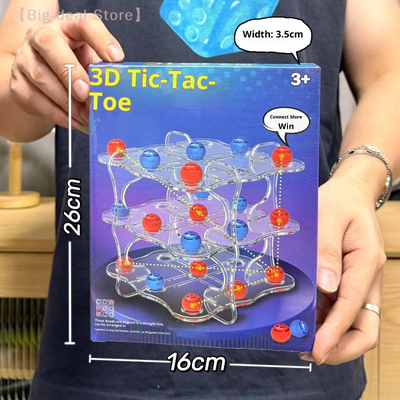
Uplift Picks Triangle Strategy Board Game Chain Chess Family Fun Logic Game 24x21 CmBring excitement to your game nights with this engaging strategy board game designed to challenge your thinking and spark fun competition. Perfect for both kids and adults, this family board game combines logic, planning, and interactive play. Its...47,98 $*Shipping: 0,00 $Secure redirect to the provider
-
Inspire Picks Magnetic Chess Board Game For Kids Strategy And Logical Thinking Fun ats30527 ASpark curiosity and sharpen young minds with a classic challenge made kidfriendly. This engaging magnetic chess board game helps children develop focus, patience, and problemsolving skills while having fun. Designed as a thoughtful educational logic...47,95 $*Shipping: 0,00 $Secure redirect to the provider
-
Combo Retail Shop Kids Magnetic Chess Board Game, Logical Thinking Challenge, Intelligence Toy, Interactive Family Social Game aIntroducing the Kids Magnetic Chess Board Game, an interactive, engaging way for your child to enhance their logical thinking and problemsolving skills! This intelligence challenge game offers hours of fun while stimulating young minds, making it...99,97 $*Shipping: 0,00 $Secure redirect to the provider



-
What is economic sustainability?
Economic sustainability refers to the ability of an economy to support current and future generations by balancing economic growth with social and environmental responsibility. It involves ensuring that resources are used efficiently and equitably to meet the needs of the present without compromising the ability of future generations to meet their own needs. This includes promoting long-term economic development, reducing inequality, and minimizing negative impacts on the environment. Overall, economic sustainability aims to create a stable and resilient economy that can thrive over the long term. **
-
What are sustainability strategies?
Sustainability strategies are plans and actions implemented by organizations to minimize their negative impact on the environment, society, and economy, while maximizing their positive contributions. These strategies often involve setting goals for reducing carbon emissions, waste, and resource consumption, as well as promoting social responsibility and ethical business practices. Sustainability strategies can also include efforts to engage with stakeholders, such as employees, customers, and local communities, to ensure that their needs and concerns are taken into account. Overall, sustainability strategies aim to create long-term value for both the organization and the broader ecosystem in which it operates. **
-
How can sustainability be assessed?
Sustainability can be assessed through various methods such as conducting life cycle assessments, measuring environmental impacts, evaluating social and economic factors, and analyzing the overall resilience of a system. Key indicators such as carbon footprint, water usage, biodiversity impact, social equity, and economic viability can be used to evaluate the sustainability of a product, project, or organization. By using a combination of quantitative data, qualitative analysis, and stakeholder engagement, a comprehensive assessment of sustainability can be achieved. Regular monitoring and reporting of these indicators over time can help track progress towards sustainability goals and identify areas for improvement. **
-
What exactly does sustainability mean?
Sustainability refers to meeting the needs of the present without compromising the ability of future generations to meet their own needs. It involves balancing economic, social, and environmental factors to ensure long-term well-being for both people and the planet. This includes practices that promote resource efficiency, social equity, and environmental protection to create a more resilient and equitable society for all. **


What is the sustainability triangle?
The sustainability triangle is a concept that illustrates the interconnected relationship between social, environmental, and economic factors in achieving sustainability. It emphasizes that for a system or activity to be truly sustainable, it must balance and integrate these three dimensions effectively. By considering the social, environmental, and economic impacts of our actions, we can work towards creating a more sustainable future for both current and future generations. **
What about sustainability in banks?
Sustainability in banks refers to their commitment to environmental, social, and governance (ESG) principles in their operations and decision-making processes. Banks can promote sustainability by incorporating ESG criteria into their lending and investment practices, supporting green initiatives, and reducing their own carbon footprint. By integrating sustainability into their business models, banks can contribute to a more sustainable and responsible financial system that addresses key global challenges such as climate change and social inequality. Additionally, banks that prioritize sustainability may also benefit from improved risk management, enhanced reputation, and increased customer loyalty. **
Top-Angebote
Products related to Sustainability:
-
Multisell Products Hub Easy To Play Chess Board Game Toy, Educational Strategy Table Games Easy To Play Chess Board Game Toy, Educational Strategy Table GamesEngage Your Mind with a Classic Chess Board Game The Chess Board Game Toy is a timeless strategy game that offers endless fun for both beginners and experienced players. Designed to be easy to play, this game is perfect for improving focus,...49,97 $*Shipping: 0,00 $Secure redirect to the provider
-
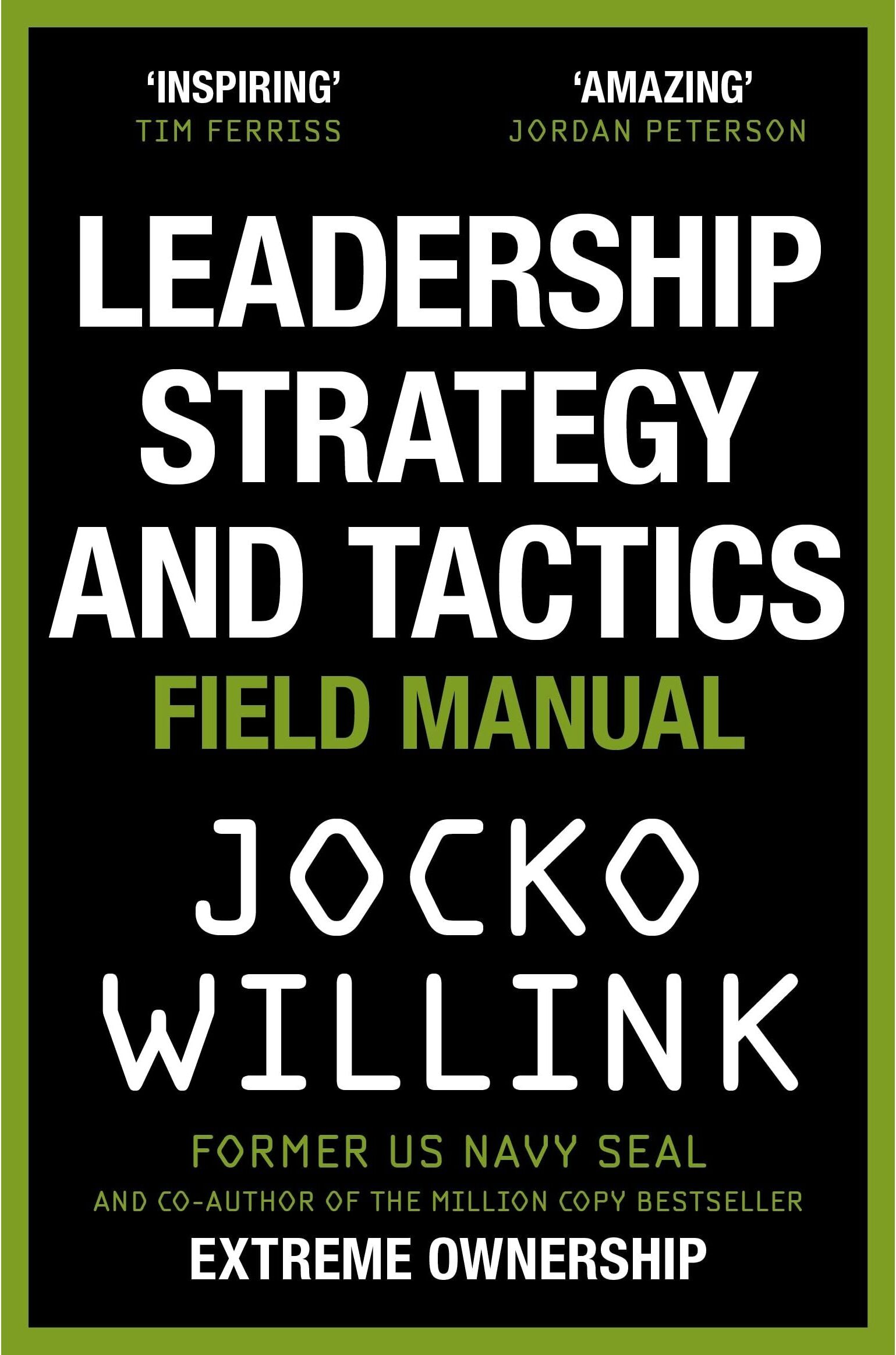
MACMILLAN Leadership Strategy and Tactics: Learn to Lead Like a Navy SEALLeadership is the most challenging of human endeavours. It is often misunderstood. It can bewilder, mystify and frustrate even the most dedicated practitioners. Leaders at all levels are often forced to use theoretical guesswork to make decisions and lead their troops. It doesn’t have to be that way. There are principles that can be applied and tenets that can be followed. There are skills that can be learned and manoeuvres that can be practised and executed. There are leadership strategies and tactics that have been tested and proven on the battlefield, in business and in life. Retired Navy SEAL Officer Jocko Willink delivers his powerful and pragmatic leadership methodology that teaches how to lead any team in any situation to victory. Here, you will learn how to: * Deal with egos and the problems they cause * Earn and build trust with both your subordinates and superiors * Instil pride in your team, without creating arrogance * Overcome challenges presented by a micromanaging, indecisive or weak boss * Create a disciplined team that regulates itself * Use leadership as a tool to teach, mentor, train and correct behaviour of team members * Operate at a maximum level of efficiency – and reap the rewards . . . and more. This book is step one towards becoming the commander of your own life. The rest is up to you.8,99 £*Shipping: 2,99 £Secure redirect to the provider
-
Uplift Picks Triangle Strategy Board Game Chain Chess Family Fun Logic Game 24x21 CmBring excitement to your game nights with this engaging strategy board game designed to challenge your thinking and spark fun competition. Perfect for both kids and adults, this family board game combines logic, planning, and interactive play. Its...47,98 $*Shipping: 0,00 $Secure redirect to the provider
-
Inspire Picks Magnetic Chess Board Game For Kids Strategy And Logical Thinking Fun ats30527 ASpark curiosity and sharpen young minds with a classic challenge made kidfriendly. This engaging magnetic chess board game helps children develop focus, patience, and problemsolving skills while having fun. Designed as a thoughtful educational logic...47,95 $*Shipping: 0,00 $Secure redirect to the provider
-
What is sustainability?
Sustainability is the ability to meet the needs of the present without compromising the ability of future generations to meet their own needs. It involves finding a balance between social, economic, and environmental factors to ensure that resources are used in a way that preserves them for the long term. This can include practices such as reducing waste, conserving natural resources, and promoting renewable energy sources. Overall, sustainability aims to create a world where people and the planet can thrive together for generations to come. **
-
What distinguishes strong sustainability from the normal concept of sustainability?
Strong sustainability goes beyond the traditional concept of sustainability by emphasizing the importance of maintaining the integrity of natural systems and the well-being of future generations. It recognizes that certain natural resources and ecological processes are irreplaceable and cannot be substituted by human-made alternatives. Strong sustainability also prioritizes the protection of biodiversity and the resilience of ecosystems, rather than solely focusing on reducing environmental impacts or achieving short-term economic gains. In essence, strong sustainability requires a more holistic and long-term approach to environmental and social stewardship, placing a greater emphasis on intergenerational equity and the preservation of essential ecological functions. **
-
What is economic sustainability?
Economic sustainability refers to the ability of an economy to support current and future generations by balancing economic growth with social and environmental responsibility. It involves ensuring that resources are used efficiently and equitably to meet the needs of the present without compromising the ability of future generations to meet their own needs. This includes promoting long-term economic development, reducing inequality, and minimizing negative impacts on the environment. Overall, economic sustainability aims to create a stable and resilient economy that can thrive over the long term. **
-
What are sustainability strategies?
Sustainability strategies are plans and actions implemented by organizations to minimize their negative impact on the environment, society, and economy, while maximizing their positive contributions. These strategies often involve setting goals for reducing carbon emissions, waste, and resource consumption, as well as promoting social responsibility and ethical business practices. Sustainability strategies can also include efforts to engage with stakeholders, such as employees, customers, and local communities, to ensure that their needs and concerns are taken into account. Overall, sustainability strategies aim to create long-term value for both the organization and the broader ecosystem in which it operates. **
Similar search terms for Sustainability
-
Combo Retail Shop Kids Magnetic Chess Board Game, Logical Thinking Challenge, Intelligence Toy, Interactive Family Social Game aIntroducing the Kids Magnetic Chess Board Game, an interactive, engaging way for your child to enhance their logical thinking and problemsolving skills! This intelligence challenge game offers hours of fun while stimulating young minds, making it...99,97 $*Shipping: 0,00 $Secure redirect to the provider
-
Uplift Picks Triangle Strategy Board Game Chain Chess Family Fun Logic Game 30x26 CmBring excitement to your game nights with this engaging strategy board game designed to challenge your thinking and spark fun competition. Perfect for both kids and adults, this family board game combines logic, planning, and interactive play. Its...57,98 $*Shipping: 0,00 $Secure redirect to the provider
-
Uplift Picks Triangle Strategy Board Game Chain Chess Family Fun Logic Game 21x19 CmBring excitement to your game nights with this engaging strategy board game designed to challenge your thinking and spark fun competition. Perfect for both kids and adults, this family board game combines logic, planning, and interactive play. Its...42,98 $*Shipping: 0,00 $Secure redirect to the provider
-
How can sustainability be assessed?
Sustainability can be assessed through various methods such as conducting life cycle assessments, measuring environmental impacts, evaluating social and economic factors, and analyzing the overall resilience of a system. Key indicators such as carbon footprint, water usage, biodiversity impact, social equity, and economic viability can be used to evaluate the sustainability of a product, project, or organization. By using a combination of quantitative data, qualitative analysis, and stakeholder engagement, a comprehensive assessment of sustainability can be achieved. Regular monitoring and reporting of these indicators over time can help track progress towards sustainability goals and identify areas for improvement. **
-
What exactly does sustainability mean?
Sustainability refers to meeting the needs of the present without compromising the ability of future generations to meet their own needs. It involves balancing economic, social, and environmental factors to ensure long-term well-being for both people and the planet. This includes practices that promote resource efficiency, social equity, and environmental protection to create a more resilient and equitable society for all. **
-
What is the sustainability triangle?
The sustainability triangle is a concept that illustrates the interconnected relationship between social, environmental, and economic factors in achieving sustainability. It emphasizes that for a system or activity to be truly sustainable, it must balance and integrate these three dimensions effectively. By considering the social, environmental, and economic impacts of our actions, we can work towards creating a more sustainable future for both current and future generations. **
-
What about sustainability in banks?
Sustainability in banks refers to their commitment to environmental, social, and governance (ESG) principles in their operations and decision-making processes. Banks can promote sustainability by incorporating ESG criteria into their lending and investment practices, supporting green initiatives, and reducing their own carbon footprint. By integrating sustainability into their business models, banks can contribute to a more sustainable and responsible financial system that addresses key global challenges such as climate change and social inequality. Additionally, banks that prioritize sustainability may also benefit from improved risk management, enhanced reputation, and increased customer loyalty. **
* All prices are inclusive of VAT and, if applicable, plus shipping costs. The offer information is based on the details provided by the respective shop and is updated through automated processes. Real-time updates do not occur, so deviations can occur in individual cases. ** Note: Parts of this content were created by AI.