Buy my-chess.eu ?
We are moving the project
my-chess.eu .
Are you interested in purchasing the domain
my-chess.eu ?
domain@kv-gmbh.de · 0541-91531010
Buy my-chess.eu ?
Can a toddler in the defiance phase be operantly conditioned?
Yes, a toddler in the defiance phase can be operantly conditioned. Operant conditioning involves using reinforcement or punishment to shape behavior. By providing positive reinforcement for desired behaviors and consequences for undesirable behaviors, parents or caregivers can influence the toddler's behavior during this challenging phase. Consistent and clear consequences can help the toddler learn what is expected of them and encourage more positive behaviors. **
How can one play a chess board game with replacement pieces?
To play a chess board game with replacement pieces, you would need to have extra pieces of each type on hand. If a player's piece is captured, they can replace it with one of their extra pieces. It's important to ensure that the replacement piece is of the same type and color as the original piece. This allows the game to continue without any interruptions due to missing pieces. **
Similar search terms for Defiance
Top-Angebote
Products related to Defiance:
-
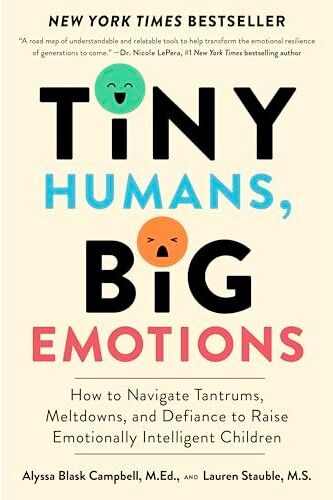
Harvest Tiny Humans, Big Emotions: How to Navigate Tantrums, Meltdowns, and Defiance to Raise Emotionally Intelligent ChildrenThe Future is Emotionally Intelligent From two early childhood experts, an essential parenting guide for toddler behavior that empowers parents to help their little ones navigate their big feelings—including tantrums, outbursts, and separation anxiety—while laying the groundwork for a lifetime of emotional intelligence. We’re in the midst of a parenting revolution that is radically changing the way we raise our kids. Gone are the days of minimizing emotions: Don’t Cry. You’re Fine. Don’t Make a Scene. As our understanding of developing brains has increased, today’s parents are embracing conscious parenting and looking for a new way to help their children understand their feelings and learn to process them. Emotional development experts Alyssa Blask Campbell, M.Ed. and Lauren Stauble M.S. are at the forefront of a movement to foster little ones’ emotional intelligence. Their revolutionary Collaborative Emotion Processing (CEP) method has been a game changer for parents and educators, and now they are sharing it with readers in this indispensable guide. Tiny Humans, Big Emotions provides the tools to tackle every sort of stressful child-rearing situation, including: • What to do when your child throws a tantrum (it's not what you think!) • Helpful scripts to handle any challenging moment like school refusal and bedtime resistance • How to react when your child hits, punches, or bites • Easy tips that help regulate your child’s nervous system • How to anticipate and end meltdowns before they even begin Designed for all humans—tiny and big—this book shows caregivers of children how to handle challenging behaviors and outbursts while empowering them to recognize and manage difficult feelings like anger, sadness, and shame, along with anxiety. All caregivers will find valuable insights and guidance in this book, especially those caring for children from infancy to age eight. Tiny Humans, Big Emotions equips adults with tools for emotional intelligence so they can respond with intention. This innovative, research-based approach teaches children self-regulation, empathy, and effective coping strategies, even as it strengthens the parent-child relationship, setting the groundwork for a lifetime of emotional resilience and wellbeing. This book is an essential, empathetic guide for gentle parenting that will teach parents to notice their own habits and hold space for their tiny human's big emotions.5,99 £*Shipping: 2,99 £Secure redirect to the provider
-
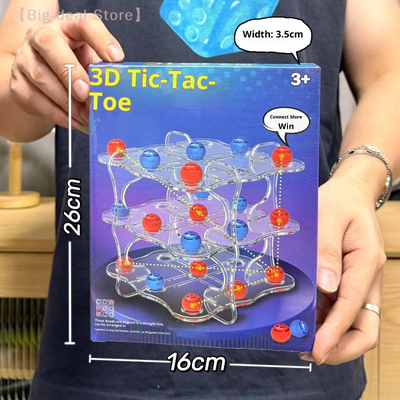
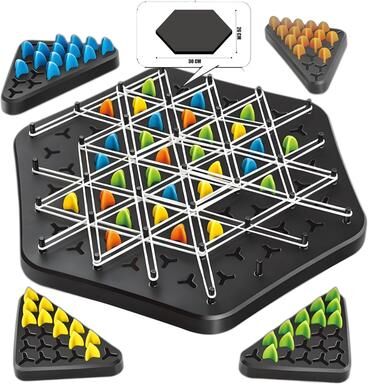
Uplift Picks Triangle Strategy Board Game Chain Chess Family Fun Logic Game 24x21 CmBring excitement to your game nights with this engaging strategy board game designed to challenge your thinking and spark fun competition. Perfect for both kids and adults, this family board game combines logic, planning, and interactive play. Its...47,98 $*Shipping: 0,00 $Secure redirect to the provider
-
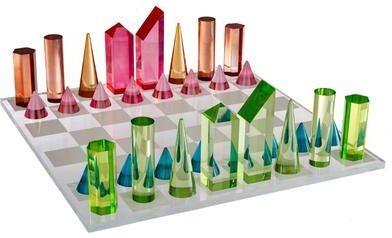
Inspire Picks Magnetic Chess Board Game For Kids Strategy And Logical Thinking Fun ats30527 ASpark curiosity and sharpen young minds with a classic challenge made kidfriendly. This engaging magnetic chess board game helps children develop focus, patience, and problemsolving skills while having fun. Designed as a thoughtful educational logic...47,95 $*Shipping: 0,00 $Secure redirect to the provider

-
Is computer-generated chess tactics worse?
Computer-generated chess tactics are not inherently worse than human-generated tactics. In fact, computer-generated tactics can often be more accurate and precise due to the advanced algorithms and processing power of modern computers. However, there may be instances where human intuition and creativity can lead to unexpected and innovative tactics that a computer may not have considered. Ultimately, both computer-generated and human-generated tactics have their strengths and weaknesses, and the best approach is often a combination of both. **
-
What is the difference between tactics and strategy?
Tactics refer to the specific actions taken to achieve short-term goals, while strategy involves the overall plan or approach designed to achieve long-term objectives. Tactics are more focused on the immediate steps to be taken, while strategy involves a broader perspective and considers the bigger picture. In essence, tactics are the means to implement a strategy. **
-
What is the difference between strategy and tactics?
Strategy is the overall plan or approach to achieve a long-term goal, while tactics are the specific actions taken to implement the strategy and achieve short-term objectives. Strategy involves making high-level decisions about where to focus resources and how to position the organization in the market, while tactics involve the day-to-day actions and decisions that support the overall strategy. In essence, strategy is the big picture plan, while tactics are the smaller, detailed actions taken to execute that plan. **
-
What is chess intelligence?
Chess intelligence refers to the ability to think strategically, anticipate opponents' moves, and make calculated decisions during a game of chess. It involves a combination of analytical skills, pattern recognition, and the ability to plan several moves ahead. Chess intelligence also encompasses the understanding of various chess tactics and the ability to adapt to different game situations. Overall, chess intelligence involves a high level of mental acuity and the capacity to apply complex problem-solving skills within the context of the game. **
Is there a German language pack for Legacy of Kain: Defiance, Soul Reaver, and Soul Reaver 2?
Yes, there is a German language pack available for Legacy of Kain: Defiance, Soul Reaver, and Soul Reaver 2. The games were originally released with German language options, allowing players to experience the dialogue, subtitles, and in-game text in German. This provides German-speaking players with the opportunity to fully immerse themselves in the game's story and dialogue. **
Why is my tactics rating so much higher than my chess rating?
Your tactics rating may be higher than your chess rating because tactics focus on specific skills such as pattern recognition, calculation, and visualization, which you may excel at. Chess rating, on the other hand, takes into account various aspects of your overall chess performance, including strategy, positional understanding, and endgame skills. It is possible that you may need to work on improving these other areas of your game to see an increase in your overall chess rating. **
Top-Angebote
Products related to Defiance:
-
Multisell Products Hub Easy To Play Chess Board Game Toy, Educational Strategy Table Games Easy To Play Chess Board Game Toy, Educational Strategy Table GamesEngage Your Mind with a Classic Chess Board Game The Chess Board Game Toy is a timeless strategy game that offers endless fun for both beginners and experienced players. Designed to be easy to play, this game is perfect for improving focus,...49,97 $*Shipping: 0,00 $Secure redirect to the provider
-
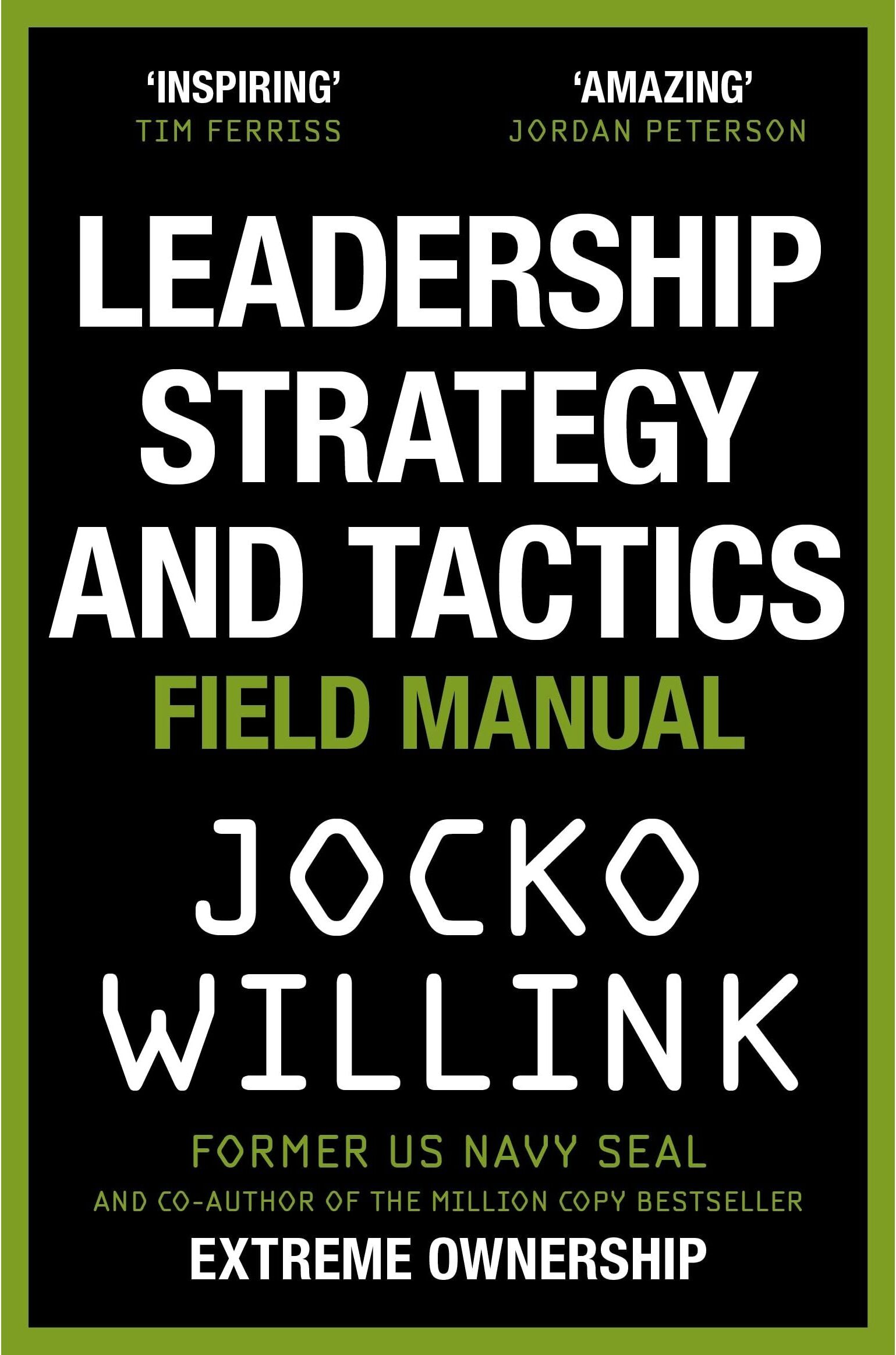
MACMILLAN Leadership Strategy and Tactics: Learn to Lead Like a Navy SEALLeadership is the most challenging of human endeavours. It is often misunderstood. It can bewilder, mystify and frustrate even the most dedicated practitioners. Leaders at all levels are often forced to use theoretical guesswork to make decisions and lead their troops. It doesn’t have to be that way. There are principles that can be applied and tenets that can be followed. There are skills that can be learned and manoeuvres that can be practised and executed. There are leadership strategies and tactics that have been tested and proven on the battlefield, in business and in life. Retired Navy SEAL Officer Jocko Willink delivers his powerful and pragmatic leadership methodology that teaches how to lead any team in any situation to victory. Here, you will learn how to: * Deal with egos and the problems they cause * Earn and build trust with both your subordinates and superiors * Instil pride in your team, without creating arrogance * Overcome challenges presented by a micromanaging, indecisive or weak boss * Create a disciplined team that regulates itself * Use leadership as a tool to teach, mentor, train and correct behaviour of team members * Operate at a maximum level of efficiency – and reap the rewards . . . and more. This book is step one towards becoming the commander of your own life. The rest is up to you.8,99 £*Shipping: 2,99 £Secure redirect to the provider
-
Harvest Tiny Humans, Big Emotions: How to Navigate Tantrums, Meltdowns, and Defiance to Raise Emotionally Intelligent ChildrenThe Future is Emotionally Intelligent From two early childhood experts, an essential parenting guide for toddler behavior that empowers parents to help their little ones navigate their big feelings—including tantrums, outbursts, and separation anxiety—while laying the groundwork for a lifetime of emotional intelligence. We’re in the midst of a parenting revolution that is radically changing the way we raise our kids. Gone are the days of minimizing emotions: Don’t Cry. You’re Fine. Don’t Make a Scene. As our understanding of developing brains has increased, today’s parents are embracing conscious parenting and looking for a new way to help their children understand their feelings and learn to process them. Emotional development experts Alyssa Blask Campbell, M.Ed. and Lauren Stauble M.S. are at the forefront of a movement to foster little ones’ emotional intelligence. Their revolutionary Collaborative Emotion Processing (CEP) method has been a game changer for parents and educators, and now they are sharing it with readers in this indispensable guide. Tiny Humans, Big Emotions provides the tools to tackle every sort of stressful child-rearing situation, including: • What to do when your child throws a tantrum (it's not what you think!) • Helpful scripts to handle any challenging moment like school refusal and bedtime resistance • How to react when your child hits, punches, or bites • Easy tips that help regulate your child’s nervous system • How to anticipate and end meltdowns before they even begin Designed for all humans—tiny and big—this book shows caregivers of children how to handle challenging behaviors and outbursts while empowering them to recognize and manage difficult feelings like anger, sadness, and shame, along with anxiety. All caregivers will find valuable insights and guidance in this book, especially those caring for children from infancy to age eight. Tiny Humans, Big Emotions equips adults with tools for emotional intelligence so they can respond with intention. This innovative, research-based approach teaches children self-regulation, empathy, and effective coping strategies, even as it strengthens the parent-child relationship, setting the groundwork for a lifetime of emotional resilience and wellbeing. This book is an essential, empathetic guide for gentle parenting that will teach parents to notice their own habits and hold space for their tiny human's big emotions.5,99 £*Shipping: 2,99 £Secure redirect to the provider
-
Uplift Picks Triangle Strategy Board Game Chain Chess Family Fun Logic Game 24x21 CmBring excitement to your game nights with this engaging strategy board game designed to challenge your thinking and spark fun competition. Perfect for both kids and adults, this family board game combines logic, planning, and interactive play. Its...47,98 $*Shipping: 0,00 $Secure redirect to the provider
-
Can a toddler in the defiance phase be operantly conditioned?
Yes, a toddler in the defiance phase can be operantly conditioned. Operant conditioning involves using reinforcement or punishment to shape behavior. By providing positive reinforcement for desired behaviors and consequences for undesirable behaviors, parents or caregivers can influence the toddler's behavior during this challenging phase. Consistent and clear consequences can help the toddler learn what is expected of them and encourage more positive behaviors. **
-
How can one play a chess board game with replacement pieces?
To play a chess board game with replacement pieces, you would need to have extra pieces of each type on hand. If a player's piece is captured, they can replace it with one of their extra pieces. It's important to ensure that the replacement piece is of the same type and color as the original piece. This allows the game to continue without any interruptions due to missing pieces. **
-
Is computer-generated chess tactics worse?
Computer-generated chess tactics are not inherently worse than human-generated tactics. In fact, computer-generated tactics can often be more accurate and precise due to the advanced algorithms and processing power of modern computers. However, there may be instances where human intuition and creativity can lead to unexpected and innovative tactics that a computer may not have considered. Ultimately, both computer-generated and human-generated tactics have their strengths and weaknesses, and the best approach is often a combination of both. **
-
What is the difference between tactics and strategy?
Tactics refer to the specific actions taken to achieve short-term goals, while strategy involves the overall plan or approach designed to achieve long-term objectives. Tactics are more focused on the immediate steps to be taken, while strategy involves a broader perspective and considers the bigger picture. In essence, tactics are the means to implement a strategy. **
Similar search terms for Defiance
-
Inspire Picks Magnetic Chess Board Game For Kids Strategy And Logical Thinking Fun ats30527 ASpark curiosity and sharpen young minds with a classic challenge made kidfriendly. This engaging magnetic chess board game helps children develop focus, patience, and problemsolving skills while having fun. Designed as a thoughtful educational logic...47,95 $*Shipping: 0,00 $Secure redirect to the provider
-
Combo Retail Shop Kids Magnetic Chess Board Game, Logical Thinking Challenge, Intelligence Toy, Interactive Family Social Game aIntroducing the Kids Magnetic Chess Board Game, an interactive, engaging way for your child to enhance their logical thinking and problemsolving skills! This intelligence challenge game offers hours of fun while stimulating young minds, making it...99,97 $*Shipping: 0,00 $Secure redirect to the provider
-
Uplift Picks Triangle Strategy Board Game Chain Chess Family Fun Logic Game 30x26 CmBring excitement to your game nights with this engaging strategy board game designed to challenge your thinking and spark fun competition. Perfect for both kids and adults, this family board game combines logic, planning, and interactive play. Its...57,98 $*Shipping: 0,00 $Secure redirect to the provider
-
What is the difference between strategy and tactics?
Strategy is the overall plan or approach to achieve a long-term goal, while tactics are the specific actions taken to implement the strategy and achieve short-term objectives. Strategy involves making high-level decisions about where to focus resources and how to position the organization in the market, while tactics involve the day-to-day actions and decisions that support the overall strategy. In essence, strategy is the big picture plan, while tactics are the smaller, detailed actions taken to execute that plan. **
-
What is chess intelligence?
Chess intelligence refers to the ability to think strategically, anticipate opponents' moves, and make calculated decisions during a game of chess. It involves a combination of analytical skills, pattern recognition, and the ability to plan several moves ahead. Chess intelligence also encompasses the understanding of various chess tactics and the ability to adapt to different game situations. Overall, chess intelligence involves a high level of mental acuity and the capacity to apply complex problem-solving skills within the context of the game. **
-
Is there a German language pack for Legacy of Kain: Defiance, Soul Reaver, and Soul Reaver 2?
Yes, there is a German language pack available for Legacy of Kain: Defiance, Soul Reaver, and Soul Reaver 2. The games were originally released with German language options, allowing players to experience the dialogue, subtitles, and in-game text in German. This provides German-speaking players with the opportunity to fully immerse themselves in the game's story and dialogue. **
-
Why is my tactics rating so much higher than my chess rating?
Your tactics rating may be higher than your chess rating because tactics focus on specific skills such as pattern recognition, calculation, and visualization, which you may excel at. Chess rating, on the other hand, takes into account various aspects of your overall chess performance, including strategy, positional understanding, and endgame skills. It is possible that you may need to work on improving these other areas of your game to see an increase in your overall chess rating. **
* All prices are inclusive of VAT and, if applicable, plus shipping costs. The offer information is based on the details provided by the respective shop and is updated through automated processes. Real-time updates do not occur, so deviations can occur in individual cases. ** Note: Parts of this content were created by AI.