Buy my-chess.eu ?
We are moving the project
my-chess.eu .
Are you interested in purchasing the domain
my-chess.eu ?
domain@kv-gmbh.de · 0541-91531010
Buy my-chess.eu ?
What is currently intersecting the angle bisector?
The angle bisector is currently being intersected by two lines or line segments that form the angle. These lines or line segments intersect at the vertex of the angle, and the angle bisector is the line that divides the angle into two equal parts. The intersection of the angle bisector with the lines or line segments creates two smaller angles that are equal in measure. **
How do you calculate the area of two intersecting rectangles?
To calculate the area of two intersecting rectangles, you first need to determine the overlapping area where the rectangles intersect. This can be done by finding the dimensions of the overlapping region, which is formed by the intersection of the two rectangles. Once you have the dimensions of the overlapping area, you can multiply the length by the width to calculate the total area of the intersecting rectangles. **
Similar search terms for Danya-B-Intersecting-Cube
Top-Angebote
Products related to Danya-B-Intersecting-Cube:
-
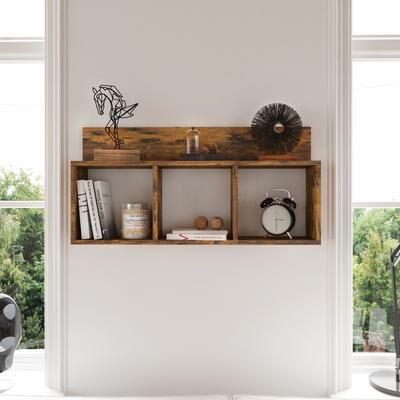
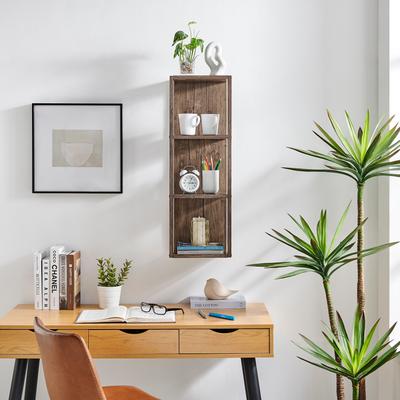
Danya B. Modern 3-Cube Floating Cubby Wall Shelf with Display LedgeThe Danya B. Modern 3 Cube Floating Wall Shelf with Display Ledge is a minimalist yet functional solution for storing and displaying your favorite items throughout your home.54,99 $*Shipping: 0,00 $Secure redirect to the provider
-
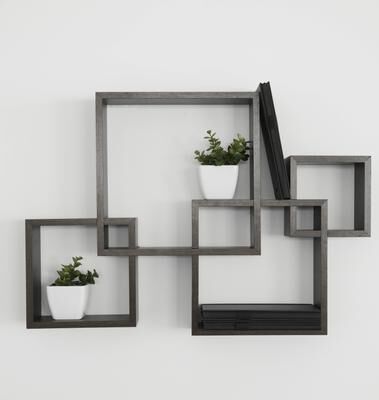
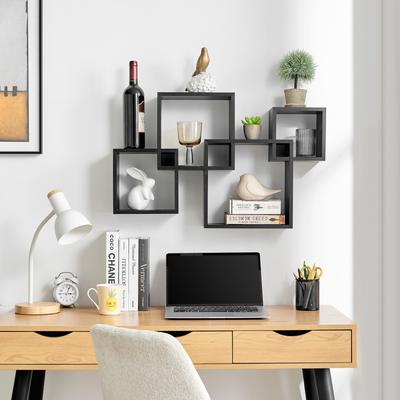
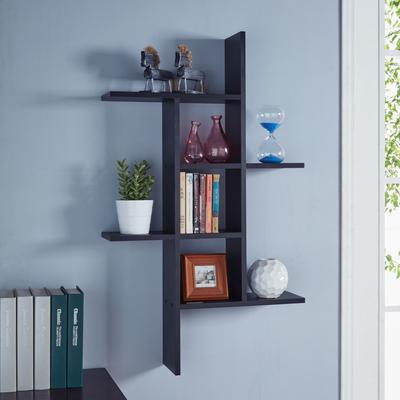
Danya B. Intersecting Cube ShelvesAdd a fun and playful flair to your living space with the Danya B. Intersecting Cube Shelves. The intersecting cubes create an alluring geometric wall art that doubles as a functional shelf for books, photographs, foliage, and other home décor.43,99 $*Shipping: 0,00 $Secure redirect to the provider

-
How do you calculate the area of two intersecting circles?
To calculate the area of two intersecting circles, you first need to find the area of each circle separately using the formula A = πr^2, where r is the radius of the circle. Then, you need to find the area of the intersecting region by subtracting the area of the non-overlapping parts of the circles from the sum of the areas of the two circles. This can be done by finding the area of the sector formed by the intersection and subtracting the area of the two segments cut off by the intersecting line. **
-
What is the difference in art between covering, overlaying, and intersecting?
Covering in art refers to completely concealing one element with another, often to create a sense of depth or to hide something. Overlaying involves placing one element on top of another, allowing both to be visible and creating a sense of layering. Intersecting, on the other hand, involves elements crossing over each other, creating points of connection or tension. Each technique offers different visual effects and can be used to convey different artistic concepts and emotions. **
-
How can you swap two pieces on the Rubik's Cube?
To swap two pieces on the Rubik's Cube, you can use a sequence of moves that will move the pieces to their desired locations without affecting the rest of the cube. One common method is to use a series of moves known as "algorithms" that involve rotating specific layers of the cube in a specific sequence. By following these algorithms, you can effectively swap the positions of two pieces on the Rubik's Cube while keeping the rest of the cube intact. It may take some practice to memorize and execute these algorithms, but with time and patience, you can become proficient at swapping pieces on the Rubik's Cube. **
-
Which two corner pieces are swapped in the Rubik's Cube?
In a standard Rubik's Cube, the two corner pieces that are swapped are the pieces located in the top layer and the bottom layer, diagonally across from each other. When these two corner pieces are swapped, it creates a parity error in the cube, making it impossible to solve using standard methods. This situation is known as a "twist" in the cube, and requires specific algorithms to correct. **


Which cube corresponds to the cube net?
The cube net corresponds to cube B. Cube B has the same arrangement of squares as the cube net, with each face of the cube represented on the net. The cube net can be folded to form cube B, making it the corresponding cube. **
Why do we say "sugar cube" and "ice cube" when a sugar cube is a cube made of sugar and an ice cube is a cube made of ice?
We use the term "sugar cube" and "ice cube" to describe the shape and size of the object, rather than its composition. The word "cube" refers to a three-dimensional shape with six equal square faces, and it is used to describe the shape of both the sugar and ice. The material that makes up the cube is specified by the word "sugar" or "ice" that precedes it. This allows us to differentiate between different types of cubes while still using a common term to describe their shape. **
Top-Angebote
Products related to Danya-B-Intersecting-Cube:
-
Danya B. Intersecting Cube ShelvesAdd a fun and playful flair to your living space with the Danya B. Intersecting Cube Shelves. The intersecting cubes create an alluring geometric wall art that doubles as a functional shelf for books, photographs, foliage, and other home décor.43,99 $*Shipping: 0,00 $Secure redirect to the provider
-
Danya B. Modern 3-Cube Floating Cubby Wall Shelf with Display LedgeThe Danya B. Modern 3 Cube Floating Wall Shelf with Display Ledge is a minimalist yet functional solution for storing and displaying your favorite items throughout your home.54,99 $*Shipping: 0,00 $Secure redirect to the provider
-
What is currently intersecting the angle bisector?
The angle bisector is currently being intersected by two lines or line segments that form the angle. These lines or line segments intersect at the vertex of the angle, and the angle bisector is the line that divides the angle into two equal parts. The intersection of the angle bisector with the lines or line segments creates two smaller angles that are equal in measure. **
-
How do you calculate the area of two intersecting rectangles?
To calculate the area of two intersecting rectangles, you first need to determine the overlapping area where the rectangles intersect. This can be done by finding the dimensions of the overlapping region, which is formed by the intersection of the two rectangles. Once you have the dimensions of the overlapping area, you can multiply the length by the width to calculate the total area of the intersecting rectangles. **
-
How do you calculate the area of two intersecting circles?
To calculate the area of two intersecting circles, you first need to find the area of each circle separately using the formula A = πr^2, where r is the radius of the circle. Then, you need to find the area of the intersecting region by subtracting the area of the non-overlapping parts of the circles from the sum of the areas of the two circles. This can be done by finding the area of the sector formed by the intersection and subtracting the area of the two segments cut off by the intersecting line. **
-
What is the difference in art between covering, overlaying, and intersecting?
Covering in art refers to completely concealing one element with another, often to create a sense of depth or to hide something. Overlaying involves placing one element on top of another, allowing both to be visible and creating a sense of layering. Intersecting, on the other hand, involves elements crossing over each other, creating points of connection or tension. Each technique offers different visual effects and can be used to convey different artistic concepts and emotions. **
Similar search terms for Danya-B-Intersecting-Cube
-
Danya B. Intersecting Cube ShelvesAdd a fun and playful flair to your living space with the Danya B. Intersecting Cube Shelves. The intersecting cubes create an alluring geometric wall art that doubles as a functional shelf for books, photographs, foliage, and other home décor.43,99 $*Shipping: 0,00 $Secure redirect to the provider
-
Danya B. Modern 3-Cube Floating Cubby Wall Shelf with Display LedgeThe Danya B. Modern 3 Cube Floating Wall Shelf with Display Ledge is a minimalist yet functional solution for storing and displaying your favorite items throughout your home.54,99 $*Shipping: 0,00 $Secure redirect to the provider
-
How can you swap two pieces on the Rubik's Cube?
To swap two pieces on the Rubik's Cube, you can use a sequence of moves that will move the pieces to their desired locations without affecting the rest of the cube. One common method is to use a series of moves known as "algorithms" that involve rotating specific layers of the cube in a specific sequence. By following these algorithms, you can effectively swap the positions of two pieces on the Rubik's Cube while keeping the rest of the cube intact. It may take some practice to memorize and execute these algorithms, but with time and patience, you can become proficient at swapping pieces on the Rubik's Cube. **
-
Which two corner pieces are swapped in the Rubik's Cube?
In a standard Rubik's Cube, the two corner pieces that are swapped are the pieces located in the top layer and the bottom layer, diagonally across from each other. When these two corner pieces are swapped, it creates a parity error in the cube, making it impossible to solve using standard methods. This situation is known as a "twist" in the cube, and requires specific algorithms to correct. **
-
Which cube corresponds to the cube net?
The cube net corresponds to cube B. Cube B has the same arrangement of squares as the cube net, with each face of the cube represented on the net. The cube net can be folded to form cube B, making it the corresponding cube. **
-
Why do we say "sugar cube" and "ice cube" when a sugar cube is a cube made of sugar and an ice cube is a cube made of ice?
We use the term "sugar cube" and "ice cube" to describe the shape and size of the object, rather than its composition. The word "cube" refers to a three-dimensional shape with six equal square faces, and it is used to describe the shape of both the sugar and ice. The material that makes up the cube is specified by the word "sugar" or "ice" that precedes it. This allows us to differentiate between different types of cubes while still using a common term to describe their shape. **
* All prices are inclusive of VAT and, if applicable, plus shipping costs. The offer information is based on the details provided by the respective shop and is updated through automated processes. Real-time updates do not occur, so deviations can occur in individual cases. ** Note: Parts of this content were created by AI.