Buy my-chess.eu ?
We are moving the project
my-chess.eu .
Are you interested in purchasing the domain
my-chess.eu ?
domain@kv-gmbh.de · 0541-91531010
Buy my-chess.eu ?
Is linguistic design the same as linguistic devices?
No, linguistic design and linguistic devices are not the same. Linguistic design refers to the overall structure and organization of language, including factors such as syntax, semantics, and discourse patterns. On the other hand, linguistic devices are specific techniques or tools used within language to achieve certain effects, such as metaphors, similes, or alliteration. While linguistic devices are a part of linguistic design, they are just one component of the broader concept. **
What are non-linguistic signs and linguistic signs?
Non-linguistic signs are symbols or signals that convey meaning without the use of language, such as traffic lights, facial expressions, or body language. These signs rely on visual cues or gestures to communicate information. On the other hand, linguistic signs are symbols that represent specific meanings within a particular language system, such as words, letters, or numbers. Linguistic signs rely on the conventions and rules of language to convey meaning. **
Similar search terms for Linguistic
Top-Angebote
Products related to Linguistic:
-
Zaffre Guilty by Definition: The instant Sunday Times bestselling linguistic mystery from Britain's wordsmith, Susie Dent (Clarendon Lexicographers)A coded letter. A missing woman. A truth waiting to be found. When an anonymous letter is delivered to the Clarendon English Dictionary office, it becomes rapidly clear that this is not the usual word-related enquiry. Instead, the letter hints at sinister events linked to a particular year. For editor Martha Thornhill, the date can mean only one thing: the summer her brilliant older sister Charlie went missing. Ten years on, Martha and her family are no closer to unravelling the mystery of Charlie's disappearance - until now. As more letters arrive, Martha and her team follow the linguistic clues to a troubling truth. It seems Charlie was keeping a powerful secret, and that someone is desperate to keep it well and truly buried. Guilty by Definition is a love letter not only to language but to the city of Oxford, wrapped within an intriguing mystery of a missing woman and considering the emotional aftershocks of her disappearance on those left behind.5,99 £*Shipping: 2,99 £Secure redirect to the provider
-
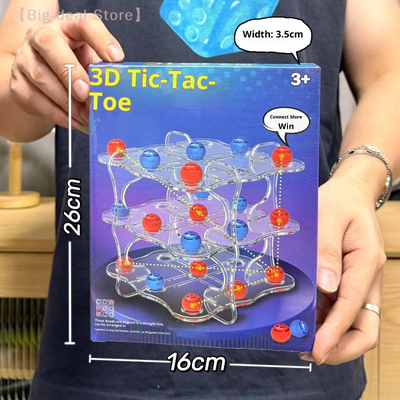
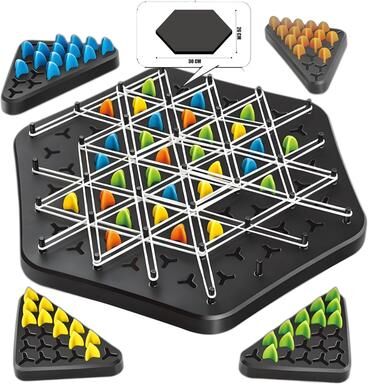
Uplift Picks Triangle Strategy Board Game Chain Chess Family Fun Logic Game 24x21 CmBring excitement to your game nights with this engaging strategy board game designed to challenge your thinking and spark fun competition. Perfect for both kids and adults, this family board game combines logic, planning, and interactive play. Its...47,98 $*Shipping: 0,00 $Secure redirect to the provider
-
Inspire Picks Magnetic Chess Board Game For Kids Strategy And Logical Thinking Fun ats30527 ASpark curiosity and sharpen young minds with a classic challenge made kidfriendly. This engaging magnetic chess board game helps children develop focus, patience, and problemsolving skills while having fun. Designed as a thoughtful educational logic...47,95 $*Shipping: 0,00 $Secure redirect to the provider


-
Is there talk of high intelligence in linguistic abilities here?
Yes, there is talk of high intelligence in linguistic abilities here. Linguistic intelligence is one of the multiple intelligences identified by psychologist Howard Gardner, and it refers to the ability to understand and use language effectively. People with high linguistic intelligence are often skilled in areas such as writing, speaking, and learning foreign languages. This type of intelligence is highly valued in fields such as literature, journalism, and communication, and individuals with strong linguistic abilities are often seen as highly intelligent in these areas. **
-
What are good examples of linguistic and non-linguistic images?
Good examples of linguistic images include descriptive language that paints a vivid picture in the reader's mind, such as "the sun hung low in the sky, casting a warm golden glow over the fields." Non-linguistic images can include photographs, paintings, or other visual art that convey a specific mood or message without the use of words. For example, a photograph of a stormy sea with dark, churning waves can evoke a sense of danger and power without any accompanying text. Both linguistic and non-linguistic images can be powerful tools for communication and expression. **
-
What are linguistic peculiarities?
Linguistic peculiarities refer to unique or unusual features found in a language that set it apart from others. These can include specific grammar rules, pronunciation patterns, vocabulary choices, or cultural influences that shape the way a language is spoken or written. Linguistic peculiarities can vary widely from one language to another, making each language distinct and interesting in its own way. **
-
What are linguistic aspects?
Linguistic aspects refer to the different components of language that are studied in linguistics. These aspects include phonetics (the study of speech sounds), phonology (the study of sound patterns), morphology (the study of word structure), syntax (the study of sentence structure), semantics (the study of meaning), and pragmatics (the study of language use in context). Understanding these linguistic aspects helps us analyze and interpret language in a systematic way. **
What is linguistic redundancy?
Linguistic redundancy refers to the use of unnecessary or repetitive words, phrases, or information in communication. It can often be seen as a form of over-explaining or providing more information than is needed to convey a message. While some level of redundancy can help clarify communication and ensure understanding, excessive redundancy can lead to inefficiency and confusion in language. Overall, linguistic redundancy can be both a helpful tool for emphasizing key points and a hindrance to clear and concise communication. **
What are linguistic images?
Linguistic images are vivid descriptions or representations created through language that appeal to the senses and evoke mental images in the mind of the reader or listener. They use words to paint a picture or convey a sensory experience, making the text more engaging and memorable. By using descriptive language and sensory details, linguistic images help to bring a scene or concept to life for the audience. **
Top-Angebote
Products related to Linguistic:
-
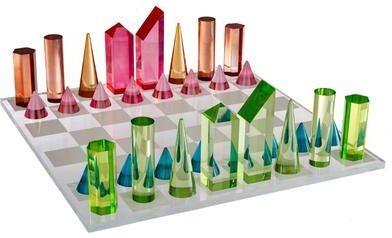
Multisell Products Hub Easy To Play Chess Board Game Toy, Educational Strategy Table Games Easy To Play Chess Board Game Toy, Educational Strategy Table GamesEngage Your Mind with a Classic Chess Board Game The Chess Board Game Toy is a timeless strategy game that offers endless fun for both beginners and experienced players. Designed to be easy to play, this game is perfect for improving focus,...49,97 $*Shipping: 0,00 $Secure redirect to the provider
-
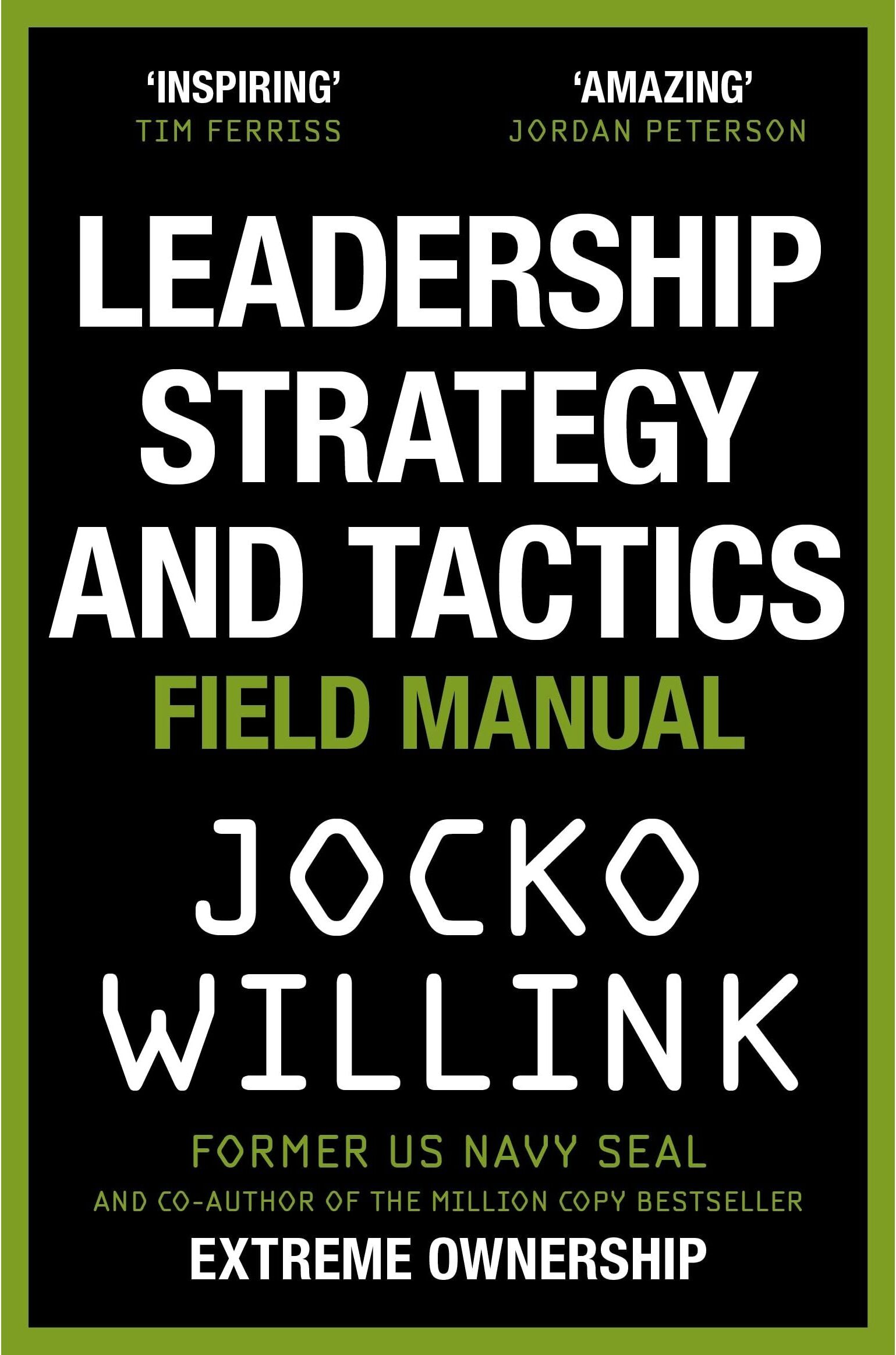
MACMILLAN Leadership Strategy and Tactics: Learn to Lead Like a Navy SEALLeadership is the most challenging of human endeavours. It is often misunderstood. It can bewilder, mystify and frustrate even the most dedicated practitioners. Leaders at all levels are often forced to use theoretical guesswork to make decisions and lead their troops. It doesn’t have to be that way. There are principles that can be applied and tenets that can be followed. There are skills that can be learned and manoeuvres that can be practised and executed. There are leadership strategies and tactics that have been tested and proven on the battlefield, in business and in life. Retired Navy SEAL Officer Jocko Willink delivers his powerful and pragmatic leadership methodology that teaches how to lead any team in any situation to victory. Here, you will learn how to: * Deal with egos and the problems they cause * Earn and build trust with both your subordinates and superiors * Instil pride in your team, without creating arrogance * Overcome challenges presented by a micromanaging, indecisive or weak boss * Create a disciplined team that regulates itself * Use leadership as a tool to teach, mentor, train and correct behaviour of team members * Operate at a maximum level of efficiency – and reap the rewards . . . and more. This book is step one towards becoming the commander of your own life. The rest is up to you.8,99 £*Shipping: 2,99 £Secure redirect to the provider
-
Zaffre Guilty by Definition: The instant Sunday Times bestselling linguistic mystery from Britain's wordsmith, Susie Dent (Clarendon Lexicographers)A coded letter. A missing woman. A truth waiting to be found. When an anonymous letter is delivered to the Clarendon English Dictionary office, it becomes rapidly clear that this is not the usual word-related enquiry. Instead, the letter hints at sinister events linked to a particular year. For editor Martha Thornhill, the date can mean only one thing: the summer her brilliant older sister Charlie went missing. Ten years on, Martha and her family are no closer to unravelling the mystery of Charlie's disappearance - until now. As more letters arrive, Martha and her team follow the linguistic clues to a troubling truth. It seems Charlie was keeping a powerful secret, and that someone is desperate to keep it well and truly buried. Guilty by Definition is a love letter not only to language but to the city of Oxford, wrapped within an intriguing mystery of a missing woman and considering the emotional aftershocks of her disappearance on those left behind.5,99 £*Shipping: 2,99 £Secure redirect to the provider
-
Uplift Picks Triangle Strategy Board Game Chain Chess Family Fun Logic Game 24x21 CmBring excitement to your game nights with this engaging strategy board game designed to challenge your thinking and spark fun competition. Perfect for both kids and adults, this family board game combines logic, planning, and interactive play. Its...47,98 $*Shipping: 0,00 $Secure redirect to the provider
-
Is linguistic design the same as linguistic devices?
No, linguistic design and linguistic devices are not the same. Linguistic design refers to the overall structure and organization of language, including factors such as syntax, semantics, and discourse patterns. On the other hand, linguistic devices are specific techniques or tools used within language to achieve certain effects, such as metaphors, similes, or alliteration. While linguistic devices are a part of linguistic design, they are just one component of the broader concept. **
-
What are non-linguistic signs and linguistic signs?
Non-linguistic signs are symbols or signals that convey meaning without the use of language, such as traffic lights, facial expressions, or body language. These signs rely on visual cues or gestures to communicate information. On the other hand, linguistic signs are symbols that represent specific meanings within a particular language system, such as words, letters, or numbers. Linguistic signs rely on the conventions and rules of language to convey meaning. **
-
Is there talk of high intelligence in linguistic abilities here?
Yes, there is talk of high intelligence in linguistic abilities here. Linguistic intelligence is one of the multiple intelligences identified by psychologist Howard Gardner, and it refers to the ability to understand and use language effectively. People with high linguistic intelligence are often skilled in areas such as writing, speaking, and learning foreign languages. This type of intelligence is highly valued in fields such as literature, journalism, and communication, and individuals with strong linguistic abilities are often seen as highly intelligent in these areas. **
-
What are good examples of linguistic and non-linguistic images?
Good examples of linguistic images include descriptive language that paints a vivid picture in the reader's mind, such as "the sun hung low in the sky, casting a warm golden glow over the fields." Non-linguistic images can include photographs, paintings, or other visual art that convey a specific mood or message without the use of words. For example, a photograph of a stormy sea with dark, churning waves can evoke a sense of danger and power without any accompanying text. Both linguistic and non-linguistic images can be powerful tools for communication and expression. **
Similar search terms for Linguistic
-
Inspire Picks Magnetic Chess Board Game For Kids Strategy And Logical Thinking Fun ats30527 ASpark curiosity and sharpen young minds with a classic challenge made kidfriendly. This engaging magnetic chess board game helps children develop focus, patience, and problemsolving skills while having fun. Designed as a thoughtful educational logic...47,95 $*Shipping: 0,00 $Secure redirect to the provider
-
Combo Retail Shop Kids Magnetic Chess Board Game, Logical Thinking Challenge, Intelligence Toy, Interactive Family Social Game aIntroducing the Kids Magnetic Chess Board Game, an interactive, engaging way for your child to enhance their logical thinking and problemsolving skills! This intelligence challenge game offers hours of fun while stimulating young minds, making it...99,97 $*Shipping: 0,00 $Secure redirect to the provider
-
Uplift Picks Triangle Strategy Board Game Chain Chess Family Fun Logic Game 30x26 CmBring excitement to your game nights with this engaging strategy board game designed to challenge your thinking and spark fun competition. Perfect for both kids and adults, this family board game combines logic, planning, and interactive play. Its...57,98 $*Shipping: 0,00 $Secure redirect to the provider
-
What are linguistic peculiarities?
Linguistic peculiarities refer to unique or unusual features found in a language that set it apart from others. These can include specific grammar rules, pronunciation patterns, vocabulary choices, or cultural influences that shape the way a language is spoken or written. Linguistic peculiarities can vary widely from one language to another, making each language distinct and interesting in its own way. **
-
What are linguistic aspects?
Linguistic aspects refer to the different components of language that are studied in linguistics. These aspects include phonetics (the study of speech sounds), phonology (the study of sound patterns), morphology (the study of word structure), syntax (the study of sentence structure), semantics (the study of meaning), and pragmatics (the study of language use in context). Understanding these linguistic aspects helps us analyze and interpret language in a systematic way. **
-
What is linguistic redundancy?
Linguistic redundancy refers to the use of unnecessary or repetitive words, phrases, or information in communication. It can often be seen as a form of over-explaining or providing more information than is needed to convey a message. While some level of redundancy can help clarify communication and ensure understanding, excessive redundancy can lead to inefficiency and confusion in language. Overall, linguistic redundancy can be both a helpful tool for emphasizing key points and a hindrance to clear and concise communication. **
-
What are linguistic images?
Linguistic images are vivid descriptions or representations created through language that appeal to the senses and evoke mental images in the mind of the reader or listener. They use words to paint a picture or convey a sensory experience, making the text more engaging and memorable. By using descriptive language and sensory details, linguistic images help to bring a scene or concept to life for the audience. **
* All prices are inclusive of VAT and, if applicable, plus shipping costs. The offer information is based on the details provided by the respective shop and is updated through automated processes. Real-time updates do not occur, so deviations can occur in individual cases. ** Note: Parts of this content were created by AI.