Buy my-chess.eu ?
We are moving the project
my-chess.eu .
Are you interested in purchasing the domain
my-chess.eu ?
domain@kv-gmbh.de · 0541-91531010
Buy my-chess.eu ?
What does "den Nagel auf den Kopf treffen" mean?
"Den Nagel auf den Kopf treffen" is a German idiom that translates to "to hit the nail on the head" in English. It is used to describe a situation where someone has made a very accurate or precise statement or observation. It signifies that someone has expressed a thought or idea in a way that perfectly captures the essence of a situation or problem. **
Does it say "von Montag den" or "vom Montag den"?
The correct phrase is "von Montag den." This is because "von" is a preposition meaning "from," and "Montag" is the day of the week. When combined, they form the phrase "von Montag den," meaning "from Monday the." On the other hand, "vom" is a contraction of "von dem," which would not be used in this context. **

Similar search terms for Den
Top-Angebote
Products related to Den:
-
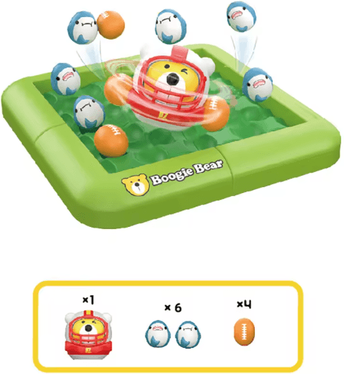
Uplift Picks Triangle Strategy Board Game Chain Chess Family Fun Logic Game 21x19 CmBring excitement to your game nights with this engaging strategy board game designed to challenge your thinking and spark fun competition. Perfect for both kids and adults, this family board game combines logic, planning, and interactive play. Its...42,98 $*Shipping: 0,00 $Secure redirect to the provider
-
Inspire Picks Magnetic Chess Board Game For Kids Strategy And Logical Thinking Fun ats30527 ASpark curiosity and sharpen young minds with a classic challenge made kidfriendly. This engaging magnetic chess board game helps children develop focus, patience, and problemsolving skills while having fun. Designed as a thoughtful educational logic...47,95 $*Shipping: 0,00 $Secure redirect to the provider
-
Porch & Den Wade LoveSeatAmazing, affordable style arrive in the form of this easy-care faux Leather loveseat. Constructed of high performance easy-clean antimicrobial upholstery that is as subtle and it is durable, this loveseat is alluringly designed with a contemporary...706,64 $*Shipping: 0,00 $Secure redirect to the provider


-
What is the correct wording: "Den Lebensmittelpunkt verlegen" or "Den Lebensmittelpunkt verlagern"?
Both "Den Lebensmittelpunkt verlegen" and "Den Lebensmittelpunkt verlagern" are correct wordings in German. However, there is a slight difference in meaning between the two. "Verlegen" implies moving the center of life to a new location, while "verlagern" suggests shifting the center of life to a different area without specifying a new location. **
-
What is the meaning of the expression "den Wind aus den Segeln nehmen"?
The expression "den Wind aus den Segeln nehmen" is a German idiom that translates to "to take the wind out of someone's sails" in English. It means to undermine someone's confidence or momentum, to thwart their plans or efforts, or to deflate their enthusiasm. Essentially, it refers to the act of diminishing someone's advantage or power. **
-
Is it "Ich habe den Fernseher eingeschaltet" or "Ich habe den Fernseher eingeschalten"?
The correct phrase is "Ich habe den Fernseher eingeschaltet." The verb "einschalten" is a separable verb, and in the perfect tense, the prefix "ein" is separated from the main verb "schalten" and placed at the end of the sentence. Therefore, the correct past participle form is "eingeschaltet." **
-
Where does the expression "Das geht den Menschen wie den Leuten" originate from?
The expression "Das geht den Menschen wie den Leuten" originates from the German language and is a common saying used to convey that something applies to everyone in the same way. It is often used to emphasize that a situation or experience is universal and affects people equally. The origin of the expression is not definitively known, but it has been used in German language and literature for many years. **

What does "auf den" mean?
"Auf den" is a German prepositional phrase that translates to "on the" in English. It is used to indicate location or direction towards something. For example, "auf den Tisch" means "on the table" and "auf den Boden" means "on the floor." **
Does it say 'Gebt euch den neuen Song' or 'Gibt euch den neuen Song'?
The correct phrase is "Gebt euch den neuen Song." The verb "geben" conjugated for the imperative form in the second person plural is "gebt." This means "Give yourselves the new song." **
Top-Angebote
Products related to Den:
-
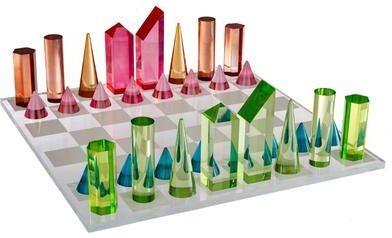
Multisell Products Hub Easy To Play Chess Board Game Toy, Educational Strategy Table Games Easy To Play Chess Board Game Toy, Educational Strategy Table GamesEngage Your Mind with a Classic Chess Board Game The Chess Board Game Toy is a timeless strategy game that offers endless fun for both beginners and experienced players. Designed to be easy to play, this game is perfect for improving focus,...49,97 $*Shipping: 0,00 $Secure redirect to the provider
-
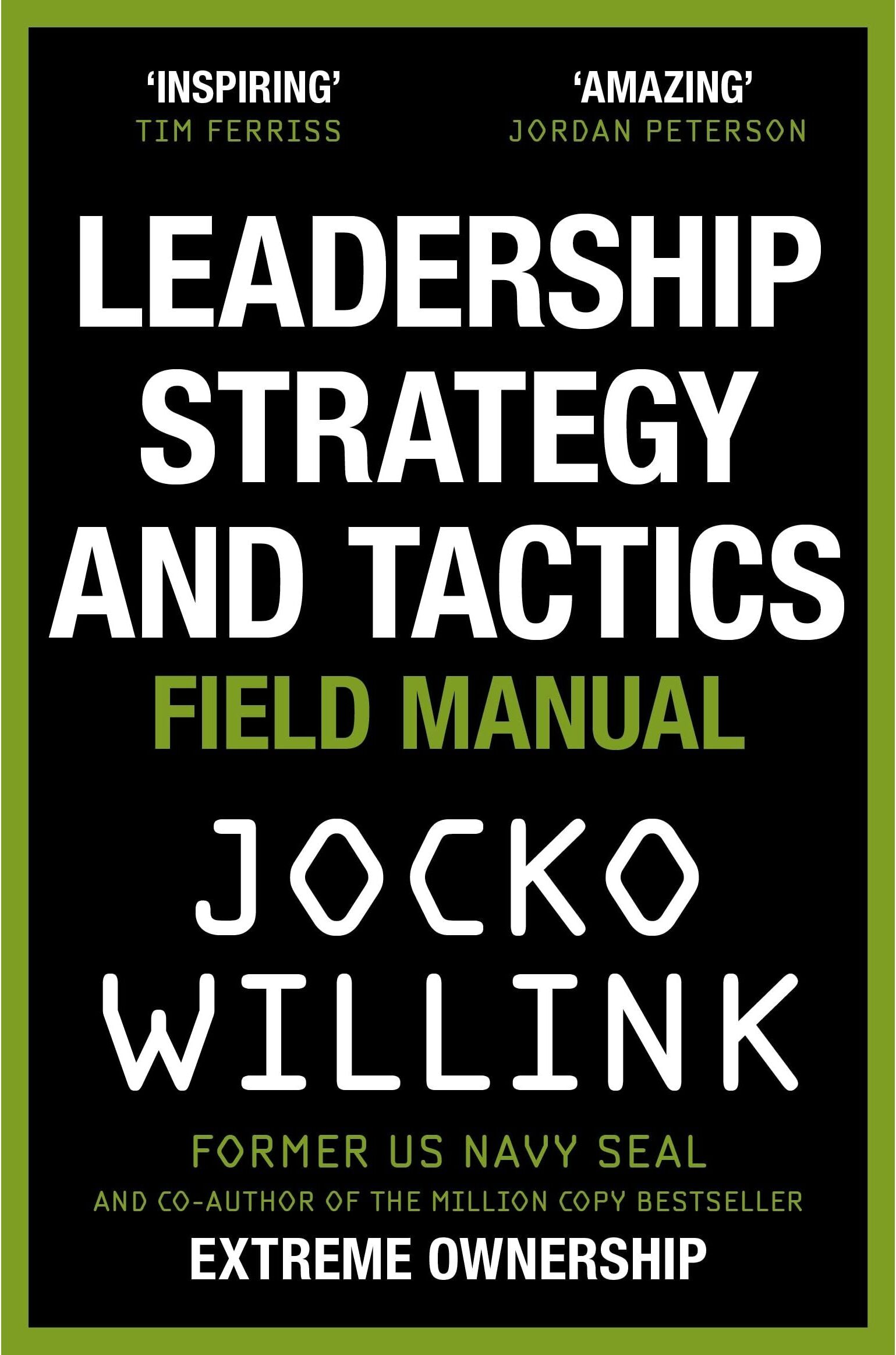
MACMILLAN Leadership Strategy and Tactics: Learn to Lead Like a Navy SEALLeadership is the most challenging of human endeavours. It is often misunderstood. It can bewilder, mystify and frustrate even the most dedicated practitioners. Leaders at all levels are often forced to use theoretical guesswork to make decisions and lead their troops. It doesn’t have to be that way. There are principles that can be applied and tenets that can be followed. There are skills that can be learned and manoeuvres that can be practised and executed. There are leadership strategies and tactics that have been tested and proven on the battlefield, in business and in life. Retired Navy SEAL Officer Jocko Willink delivers his powerful and pragmatic leadership methodology that teaches how to lead any team in any situation to victory. Here, you will learn how to: * Deal with egos and the problems they cause * Earn and build trust with both your subordinates and superiors * Instil pride in your team, without creating arrogance * Overcome challenges presented by a micromanaging, indecisive or weak boss * Create a disciplined team that regulates itself * Use leadership as a tool to teach, mentor, train and correct behaviour of team members * Operate at a maximum level of efficiency – and reap the rewards . . . and more. This book is step one towards becoming the commander of your own life. The rest is up to you.8,99 £*Shipping: 2,99 £Secure redirect to the provider
-
Uplift Picks Triangle Strategy Board Game Chain Chess Family Fun Logic Game 21x19 CmBring excitement to your game nights with this engaging strategy board game designed to challenge your thinking and spark fun competition. Perfect for both kids and adults, this family board game combines logic, planning, and interactive play. Its...42,98 $*Shipping: 0,00 $Secure redirect to the provider
-
Inspire Picks Magnetic Chess Board Game For Kids Strategy And Logical Thinking Fun ats30527 ASpark curiosity and sharpen young minds with a classic challenge made kidfriendly. This engaging magnetic chess board game helps children develop focus, patience, and problemsolving skills while having fun. Designed as a thoughtful educational logic...47,95 $*Shipping: 0,00 $Secure redirect to the provider
-
What does "den Nagel auf den Kopf treffen" mean?
"Den Nagel auf den Kopf treffen" is a German idiom that translates to "to hit the nail on the head" in English. It is used to describe a situation where someone has made a very accurate or precise statement or observation. It signifies that someone has expressed a thought or idea in a way that perfectly captures the essence of a situation or problem. **
-
Does it say "von Montag den" or "vom Montag den"?
The correct phrase is "von Montag den." This is because "von" is a preposition meaning "from," and "Montag" is the day of the week. When combined, they form the phrase "von Montag den," meaning "from Monday the." On the other hand, "vom" is a contraction of "von dem," which would not be used in this context. **
-
What is the correct wording: "Den Lebensmittelpunkt verlegen" or "Den Lebensmittelpunkt verlagern"?
Both "Den Lebensmittelpunkt verlegen" and "Den Lebensmittelpunkt verlagern" are correct wordings in German. However, there is a slight difference in meaning between the two. "Verlegen" implies moving the center of life to a new location, while "verlagern" suggests shifting the center of life to a different area without specifying a new location. **
-
What is the meaning of the expression "den Wind aus den Segeln nehmen"?
The expression "den Wind aus den Segeln nehmen" is a German idiom that translates to "to take the wind out of someone's sails" in English. It means to undermine someone's confidence or momentum, to thwart their plans or efforts, or to deflate their enthusiasm. Essentially, it refers to the act of diminishing someone's advantage or power. **
Similar search terms for Den
-
Porch & Den Wade LoveSeatAmazing, affordable style arrive in the form of this easy-care faux Leather loveseat. Constructed of high performance easy-clean antimicrobial upholstery that is as subtle and it is durable, this loveseat is alluringly designed with a contemporary...706,64 $*Shipping: 0,00 $Secure redirect to the provider
-
Combo Retail Shop Kids Magnetic Chess Board Game, Logical Thinking Challenge, Intelligence Toy, Interactive Family Social Game aIntroducing the Kids Magnetic Chess Board Game, an interactive, engaging way for your child to enhance their logical thinking and problemsolving skills! This intelligence challenge game offers hours of fun while stimulating young minds, making it...99,97 $*Shipping: 0,00 $Secure redirect to the provider
-
Uplift Picks Triangle Strategy Board Game Chain Chess Family Fun Logic Game 24x21 CmBring excitement to your game nights with this engaging strategy board game designed to challenge your thinking and spark fun competition. Perfect for both kids and adults, this family board game combines logic, planning, and interactive play. Its...47,98 $*Shipping: 0,00 $Secure redirect to the provider
-
Is it "Ich habe den Fernseher eingeschaltet" or "Ich habe den Fernseher eingeschalten"?
The correct phrase is "Ich habe den Fernseher eingeschaltet." The verb "einschalten" is a separable verb, and in the perfect tense, the prefix "ein" is separated from the main verb "schalten" and placed at the end of the sentence. Therefore, the correct past participle form is "eingeschaltet." **
-
Where does the expression "Das geht den Menschen wie den Leuten" originate from?
The expression "Das geht den Menschen wie den Leuten" originates from the German language and is a common saying used to convey that something applies to everyone in the same way. It is often used to emphasize that a situation or experience is universal and affects people equally. The origin of the expression is not definitively known, but it has been used in German language and literature for many years. **
-
What does "auf den" mean?
"Auf den" is a German prepositional phrase that translates to "on the" in English. It is used to indicate location or direction towards something. For example, "auf den Tisch" means "on the table" and "auf den Boden" means "on the floor." **
-
Does it say 'Gebt euch den neuen Song' or 'Gibt euch den neuen Song'?
The correct phrase is "Gebt euch den neuen Song." The verb "geben" conjugated for the imperative form in the second person plural is "gebt." This means "Give yourselves the new song." **
* All prices are inclusive of VAT and, if applicable, plus shipping costs. The offer information is based on the details provided by the respective shop and is updated through automated processes. Real-time updates do not occur, so deviations can occur in individual cases. ** Note: Parts of this content were created by AI.